
🔬
PM2.5 sensor
Particles <2.5 microns — from cement, dust, smoke and diesel exhaust. Most harmful to lungs.
The exact requirements vary by project and local regulations, but a construction AQI board can track air quality, weather and noise together. Core parameters are always included; gases are optional add-ons.
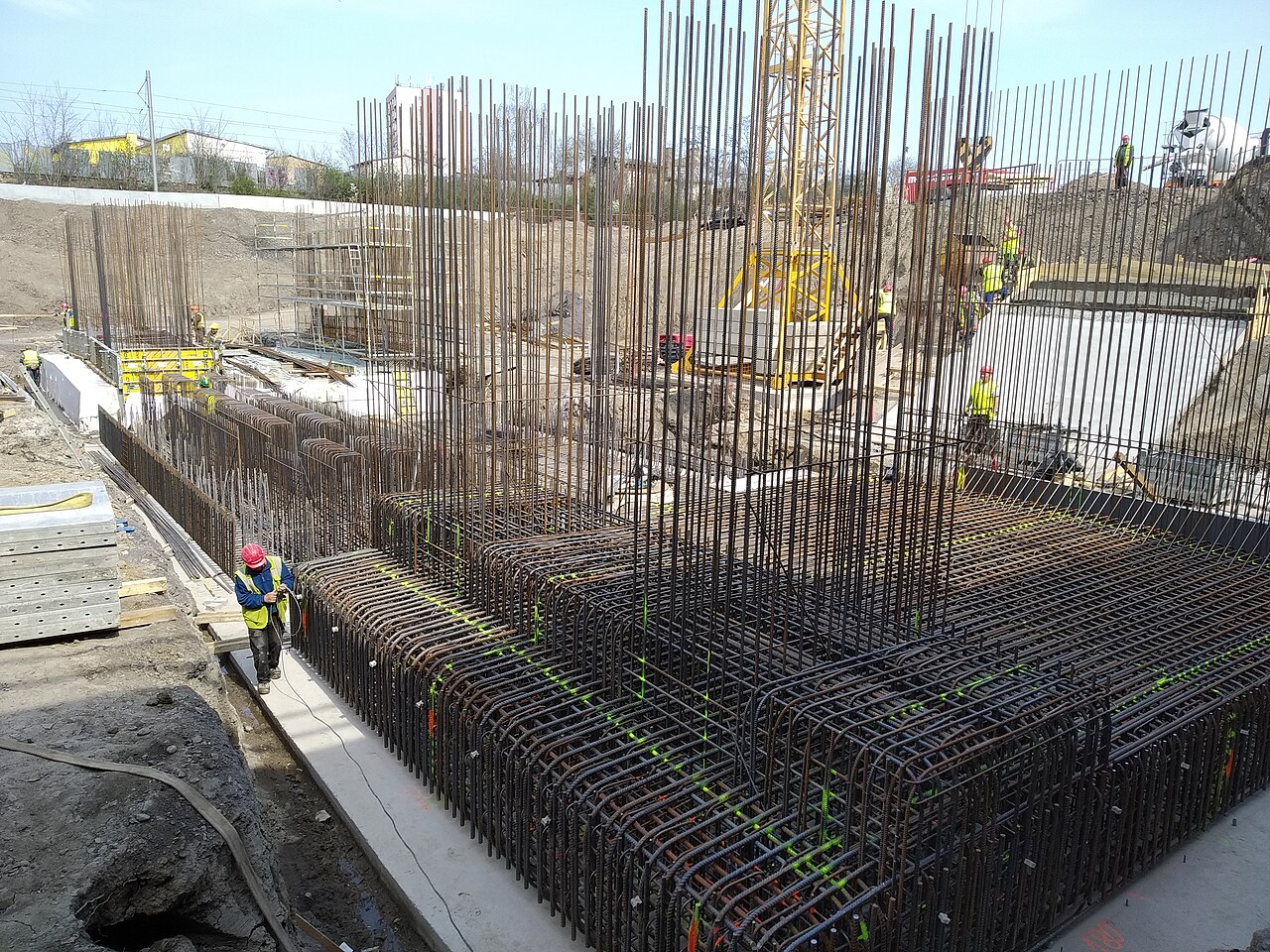 Dust, noise & weather — measured continuously on site
| Parameter | Unit | Why it matters |
|---|---|---|
| PM2.5 | µg/m³ | Fine particles that penetrate deep into the lungs. |
| PM10 | µg/m³ | Larger dust particles from construction activity. |
| AQI | Index | Overall air quality as a single number. |
| Temperature | °C | Environmental conditions. |
| Humidity | %RH | Affects how dust stays suspended in air. |
| Wind speed | m/s | Governs how far dust disperses. |
| Wind direction | degrees | Shows which way dust is travelling. |
| Rainfall | mm | Weather monitoring; rain suppresses dust. |
| Atmospheric pressure | hPa | General environmental data. |
| Noise | dB | Construction noise compliance. |
| CO optional | ppm | Vehicle and combustion emissions. |
| CO₂ optional | ppm | Air quality indicator. |
| SO₂ optional | ppb | Industrial pollution. |
| NO₂ optional | ppb | Traffic and combustion emissions. |
| VOC optional | ppm | Volatile organic compounds. |
| H₂S optional | ppm | Certain industrial environments. |
Configure only what your compliance rules require — a typical construction board runs PM2.5, PM10, noise and a weather station, with gases added where needed.
Particles <2.5 microns — from cement, dust, smoke and diesel exhaust. Most harmful to lungs.
Particles <10 microns — from sand, stone cutting, excavation and concrete mixing.
Sound level in dB (e.g. 65 / 75 / 85 dB) via a weather-protected outdoor mic.
Ambient air temperature at the site.
Moisture in the air — strongly affects how long dust stays suspended.
Anemometer measuring wind (e.g. 2.4 / 5.7 m/s) that drives dust dispersion.
Direction (N, SW, E…) — shows where dust is heading.
Rainfall in mm, completing the on-site weather station.
Normal site background / conversation range.
Active machinery nearby.
Heavy equipment — prolonged exposure needs protection.
Light breeze — limited dust travel.
Moderate wind — dust disperses further.
Combine speed + direction to predict which neighbours are affected.
We'll match sensors to your regulations and budget — core dust + noise + weather, plus any gases your project requires.